






A big question that startups are grappling with in the year 2025, as regards how to look in work is concerned. Many founders are arguably questioning whether a hybrid model a combination of working in the office and remotely can really be productive in teams. It does not only respond to the place of sitting, it also responds to how people spend time, focus on the topic and be able to convey it. A hybrid work is not the trend anymore but a serious consideration that may provide young companies with the flexibility and performance.
The New Work Pattern of start-ups
In the past, the startups would customarily have small offices in which everyone was seated in a single room and they were all of the same energy. Nevertheless, more than 67 per cent of new businesses in the United States now embrace hybrid working strategies, with a 2025 Forbes survey showing its results. The majority does it because it contributes to the purchase of talented employees who like flexibility.
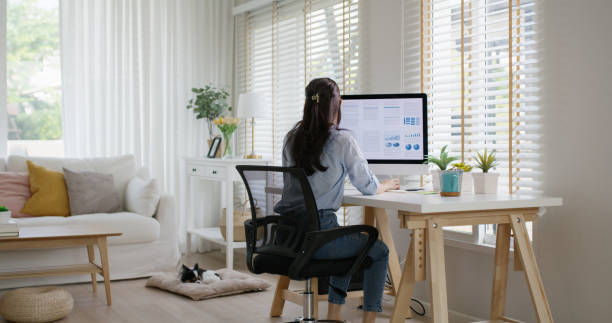
Startups are known to have lean budgets and lean teams; therefore, they will find a way of saving money and time without disrupting production. By providing people with a chance to work at home at least at two days per week, people will save money spent on renting a working place, travel, and other daily costs. It also gives greater freedom to the employees which tend to increase concentration and satisfaction.
The New Work Pattern for Startups
Excessive time spent at a particular location in the case of the startup teams can lead to burnout. The hybrid work enables one to control time to a larger extent. The employees are performing well when they are given the chance to schedule their works based on their personal levels of energy.
A 2025 Microsoft survey found that 77 per cent of workers in hybrid work set ups claimed they were more productive compared to their counterparts in full-time office set ups. In their opinion, there were decreased distractions and work-life balance that enabled them to focus on the critical issues. This is beneficial to startups because the targeted employees can make decisions faster and complete them quicker.
And, whenever team members end up in the office, they use that time to cooperate, have meetings and brainstorm over activities, which most of the times are more effective in a face to face arrangement. It is possible to continue working on the rest of the job, like reports or writing, at home.
More Flexibility Means Better Focus
Startups are always concerned with money. When used with a fixed cost, the hybrid models aid in minimizing fixed costs and maintaining an output level. A survey conducted by PwC in 2025 indicated that companies with hybrid systems reduced operations by approximately 25 per cent, as compared to full office systems.
These savings are through reduced office space, reduction on utility and associated services on site. Startups can freely spend these additional funds in research, marketing or product development. It is good that they do not imply reduced productivity but make the team more resourceful.
Cost Savings Without Losing Output
Indicatively, a startup having ten workers is able to hire a smaller office space and switch swapping of the workdays. In this manner, there will be no overcrowded or expensive office. Even with the best tools, hybrid work can create gaps in communication if not handled well. Startups often rely on fast updates and shared energy, so staying connected is important. The key is not the location of the team but how well they communicate.
The Balance That Works
Hybrid work is not perfect, but it fits the fast pace of startups. It gives freedom without losing structure. It supports creativity while keeping teamwork alive. Startups that plan it well can use it as a strength.
The success of hybrid models depends on balance giving employees flexibility while keeping goals clear. Regular communication, fair expectations, and respect for personal time can make it work well.
In 2025, more startups are proving that productivity does not depend on location. It depends on how people manage time and teamwork. Hybrid work gives startups that middle ground where creativity, focus, and freedom meet to create real progress.