





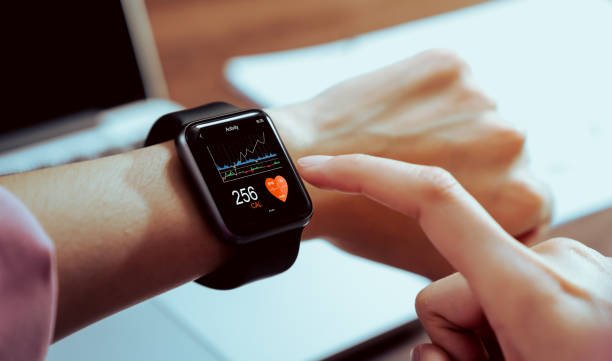
Numerous individuals who start strength training seek assistance in keeping track. Smart watches and bracelets can now do that assisting in tracking sets, reps and strain. However, are these miniature gadgets capable of helping novices do so in such a manner that would result in some progress and safety?
How Wearables Help Beginners Start Strength Training
The wearables have sensors that detect the movement of your body, heartbeat and at times even your body muscles. They also identify the alterations made on your workouts and propose modifications. This feedback is useful among those who are starting off.
Indicatively, Statista presents over 35 percent of consumers of fitness trackers concentrate on strength exercises and not on running or walking. That is to say that such equipments have become a part of the gym routine of many individuals.
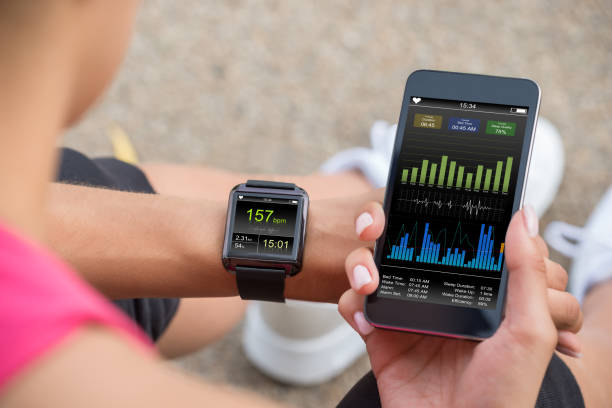
Form and rest are exhibited to the fore when the beginner is lifting weights and speed is less important than form and rest. There are also smart watches that come equipped with motion sensors to notices the user when his/her arm/wrist angle is not correct. That will minimize premature errors that may lead to injury.
And since wearables have a set and rest time counter, amateurs do not have to recall their last exercise session. This will allow them to concentrate more on the proper elevation rather than on the records.
The Limits of What Wearables Can Measure
Nevertheless, there is no such thing as perfect wearables. They monitor movement and pulse rate and cannot comprehend the complete body movements in a squat or deadlift. Findings in a journal research of Strength and Conditioning known as journal of strength and conditioning revealed that wrist-based trackers misinterpret roughly 20 percent of the strength reps when the user was engaging in a compound lift.
Novices can be misled by that mistake since they would be using the data only. As an example, watch can capture a full lift though the shape is invalid. In the long-run, it might reduce the improvement or even result into pain due to recurrent awkward stance.
Wearables are also unable to directly measure muscle activity. Effort is estimated using heart rate and motion patterns and two individuals can have the same heart rate using different muscles. Hence, human direction is considered even in the initial training levels.
How Wearables Improve Consistency and Motivation
While not perfect, wearables do one thing very well they keep beginners consistent. Seeing progress in numbers helps build motivation.
According to Fitbit’s 2025 user report, users who wear a tracker at least five days a week record 28% more consistent workouts than those who train without one. That’s a big gain for people who often stop after the first few weeks.
Many apps send gentle reminders when a user skips workouts. That small push helps beginners return to training. Over time, consistent effort leads to results even without perfect tracking accuracy.
And since most wearables sync with mobile apps, they make it easier to see progress over months. Graphs showing weight lifted or workout frequency help users feel that their effort counts.
FAQs
1. Can a wearable teach me proper lifting form?
No, it can’t teach full form. It can give feedback on motion or angle but not full-body alignment.
2. Are wearables accurate for tracking strength workouts?
They are mostly accurate for single-arm or simple lifts, but less so for big moves like squats or deadlifts.
3. Do wearables help prevent injuries?
They help by warning about bad movement patterns or overtraining, but they can’t replace real coaching.
4. Can wearables track muscle growth?
No, they only measure movement and heart rate. Muscle growth depends on rest, nutrition, and training quality.
5. Should a beginner depend fully on a wearable?
No, use it as support. Learn proper form from a coach or video guide and then use the wearable for tracking and consistency.