





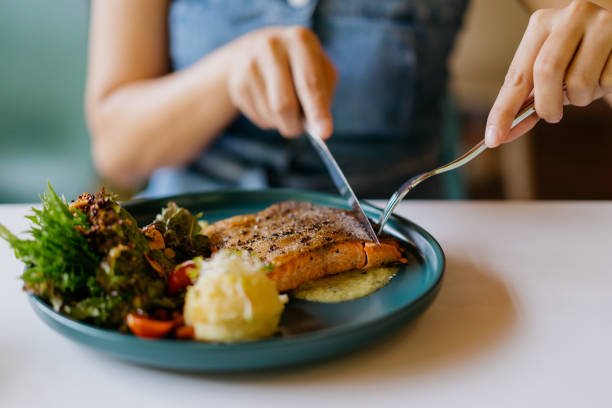
Today, many food creators find themselves chasing trends to stay visible. But with the rise of local food movements and a growing demand for authentic flavors, one question stands tall: can seasonal and hyper-local recipes actually win long-term traffic over quick viral hits? Let’s see what makes these two sides so different and which one truly lasts.
The Race Between Viral and Local Recipes
Stimulated by the social media, viral recipes such as baked feta pasta or whipped coffee go viral momentarily. And buying and selling skyrocket in millions of people. As an example, Google Trends indicates that in 2020, the number of searches about whipped coffee increased by 4,200% but in the following year the number sharply declined. Stability is not guaranteed with these recipes which make quick fame.
Conversely, recipes that are hyper-local i.e. recipes that are prepared using local ingredients or in a local way do not tend to go viral instantly. However, they continue to bring visitors as time goes by. In accordance with Data Pinterest Food Report, the search of recipes as the category of seasonal recipes was increased annually by a percentage of 35, which indicates a consistently maintained interest. People continue to revert to things that are familiar, are healthy and real.
Why Hyper-Local Recipes are more Long-lasting?
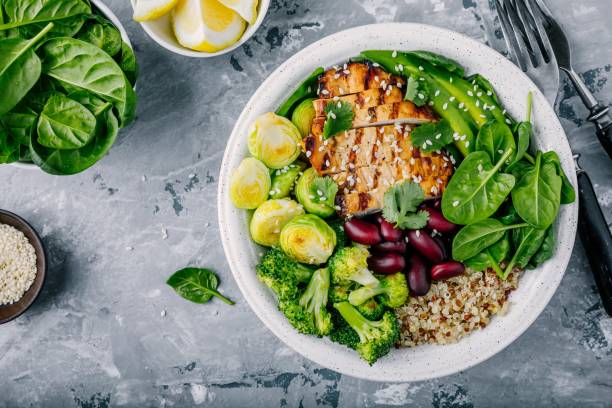
1. They Build Trust
When the creators share recipes without specifying the ingredients that are grown in loamy soil or in one of the local markets, they have a stronger connection with the audience. The readers get the impression that the content is friendly and helpful. In a 2024 consumer trust survey conducted by BrightLocal, 79% of the users claimed to trust local rather than global or viral information. This trust keeps the recipe blogs above the trend even when they become obsolete.
2. They Suit Seasonal Search Trends.
Human beings tend to seek ideas on food that are seasonally appropriate. Millions of times a season summer salad or winter soups are sought. The recipes using nature’s rhythm, hyper-local ones continue to acquire organic traffic. As an example, Google Keyword Planner indicates that the number of hits like mango dessert recipes exceeds 110,000 every month in June but declines to 100,000 in December. A food creator posting recipes on such a schedule is getting regular traffic peaks throughout the year.
3. They Encourage Community Sharing
A viral trend may reach millions of strangers, but a hyper-local dish gets shared among families, neighbors, and local groups. Food is cultural, and when people see recipes that remind them of home, they share them in local Facebook groups or WhatsApp chats. That type of sharing lasts longer because it’s based on belonging, not just curiosity.
What Viral Recipes Still Get Right
Viral food trends are not useless. They often introduce new ingredients or quick cooking ideas. For creators, they can bring new followers fast. A study by HubSpot (2023) found that food creators who use one viral trend a month grow their followers by 23% more than those who ignore trends.
The trick is balance. Use one or two viral ideas to attract visitors, but build a foundation of local and seasonal content to keep them.
How Creators Can Blend Both Approaches
Mix Trendy With Local
If a viral dish like “baked oats” is trending, try using a local ingredient such as dates or regional fruit to make your own version. This keeps your content relevant and unique.
Use Seasonal SEO Keywords
Adding seasonal words in your titles and descriptions helps your recipes appear in search results more often. For example, “spring strawberry tart” or “monsoon corn soup” get more traffic than generic titles.
Share Local Stories
Explain where the recipe comes from or how people in your area enjoy it. Storytelling adds emotional value, which keeps readers engaged longer.
Final Thoughts
Viral recipes may bring quick fame, but their power fades once the internet moves on. Seasonal and hyper-local recipes grow slower, but they build loyal readers who trust your content and return often. With data showing strong yearly growth in searches for “local” and “seasonal” cooking, it’s safe to say that long-term traffic belongs to creators who stay close to their roots.
FAQs
1. What are hyper-local recipes?
Hyper-local recipes use ingredients grown in a specific region or are part of local cooking traditions, often based on what’s in season.
2. Why do local recipes get more long-term traffic?
They connect better with local audiences, appear in seasonal searches, and stay relevant year after year.
3. Can viral and local recipes work together?
Yes, combining a trending recipe idea with local ingredients can attract both new and loyal readers.
4. How often should food creators post seasonal recipes?
At least once a month, focusing on fresh produce or local festivals, helps maintain a steady flow of traffic.
5. Do search engines prefer local content?
Yes, according to Google’s helpful content updates, localized and experience-based content often ranks higher because it feels more trustworthy and human-written.