


Artificial intelligence is slowly reshaping how people think about healthcare. It is no longer limited to hospital machines or research labs. Now, AI tools can help detect diseases early, give test results faster, and even bring medical screening closer to people’s homes. Routine screenings like blood tests, eye exams, or heart checks may soon look very different from how they are done today.
AI and faster, smarter screenings
In many countries, people skip routine checkups because they are costly, time-consuming, or hard to access. AI diagnostics can change this by making tests faster and easier. According to the World Health Organization, around 50% of people globally miss regular screenings, which often delays disease detection. AI systems can read scans, analyze blood samples, or detect patterns in symptoms much faster than traditional methods.
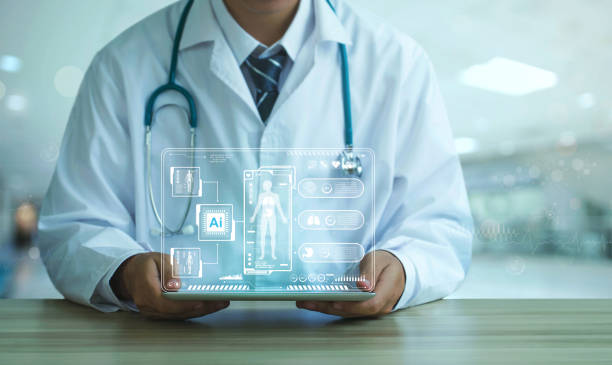
For example, an AI model used in diabetic eye exams in the United States can identify early signs of eye damage in less than one minute. In the past, a person had to wait days for results. This kind of progress can reduce hospital workload and help doctors focus on patients who need urgent care.
Healthcare closer to home
One of the biggest shifts AI brings is the move from hospital-based testing to community or home-based screening. With small portable devices and smartphone apps powered by AI, people can test their blood pressure, glucose levels, or even heart rhythm without visiting a clinic. According to Statista, over 320 million people used health monitoring apps in 2024, and that number keeps rising every year.
When these apps work with AI diagnostics, they can alert users if results show early signs of problems such as diabetes or heart disease. Instead of waiting for yearly checkups, people can catch warning signs early and talk to doctors before conditions become serious. This shift helps prevent diseases instead of only treating them later.
Helping doctors, not replacing them
Many worry that AI might replace doctors, but that is not true. AI diagnostics work best when they support medical professionals. For example, AI can review hundreds of X-rays in minutes and highlight areas that look suspicious, helping doctors confirm results faster. A report by McKinsey stated that AI can save up to 30% of a radiologist’s time while improving accuracy.
Doctors can then spend more time explaining results to patients, making treatment plans, or focusing on complex cases that need human judgment. AI removes repetitive tasks, but humans still make the final decisions.
Better access in rural and low-income areas
AI diagnostics can also make healthcare fairer. Many people in rural regions do not have easy access to labs or specialists. Portable AI screening devices can fill this gap. For instance, a small AI-powered ultrasound device used in India helped detect pregnancy complications in areas without doctors. It increased detection accuracy by about 40%, according to a 2023 health study.
By using low-cost devices and AI apps, health workers can reach more people, especially where hospitals are far away. This could save lives by catching diseases early, instead of waiting for patients to travel long distances for help.
Trust, safety, and the road ahead
For AI diagnostics to work well, people must trust the systems. Accuracy, data privacy, and doctor oversight are very important. Governments and hospitals are now making strict rules to make sure AI tools meet safety standards. In 2025, the FDA in the United States approved over 500 AI medical devices, showing that regulation is catching up with technology.
Still, humans remain central to the process. AI gives information, but it cannot understand emotions or complex human conditions. The best healthcare will come from teamwork between technology and people.
Conclusion
AI diagnostics are not only changing how routine screening is done but also where it happens. From hospitals to homes, from city labs to rural clinics, this shift is making healthcare more reachable, faster, and more reliable. While AI helps with speed and accuracy, doctors and patients together ensure that the care remains human and trusted. The future of routine screening looks smarter and closer to everyone than ever before.
FAQs
1. What is AI diagnostics?
AI diagnostics means using computer programs that learn from data to read medical tests or detect health problems faster and more accurately.
2. Will AI replace doctors in the future?
No, AI will help doctors by handling routine work like scanning reports or finding early signs of disease, but doctors will still make all final medical decisions.
3. Can AI detect diseases better than humans?
In some tests, yes. For example, AI has shown over 90% accuracy in spotting lung cancer or diabetic eye damage, often matching or exceeding human experts.
4. How will AI help people in rural areas?
AI can run on small portable devices or mobile apps, allowing local health workers to perform screenings without big hospitals or expensive machines.
5. Is AI screening safe for everyone?
Yes, when approved by medical authorities and checked by doctors, AI screening tools follow strict safety rules and protect personal health data.