





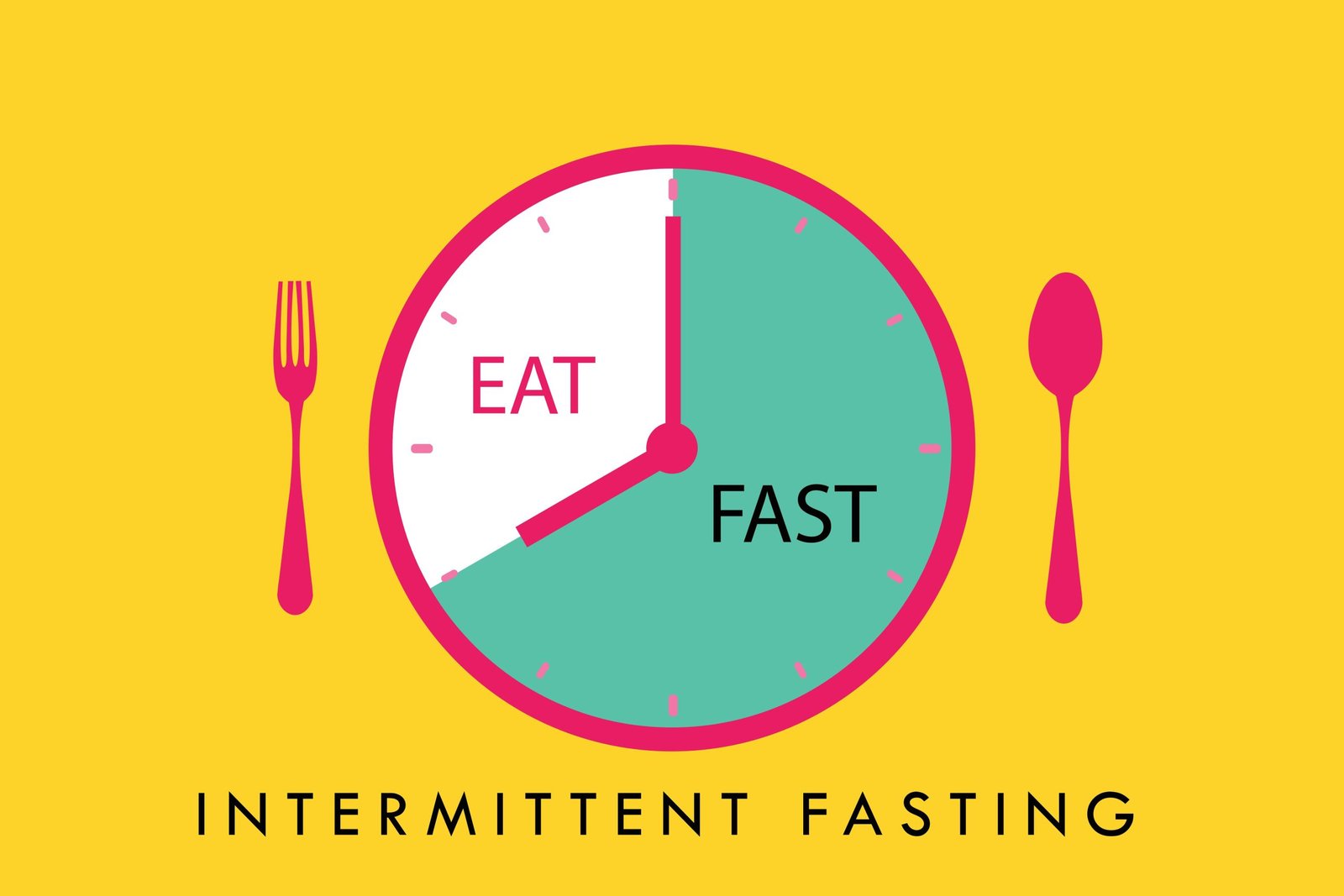
Intermittent fasting means you eat only in a set time each day or you eat less on some days. For example, you might eat during eight hours and then fast for sixteen hours. Calorie counting means you track how many calories you eat and try to eat less than you burn. Both methods aim to make your body use stored fat over time.
How they help the body
Both methods make you eat fewer calories if you follow them. When you eat less than you burn, your body uses stored fat for energy. This method changes some body signals. It can lower insulin during the fast hours. Lower insulin helps fat leave fat cells. Calorie control works by making you plan portion size and food choices. That planning can stop extra snacking and high calorie meals.
Ease of use and daily life
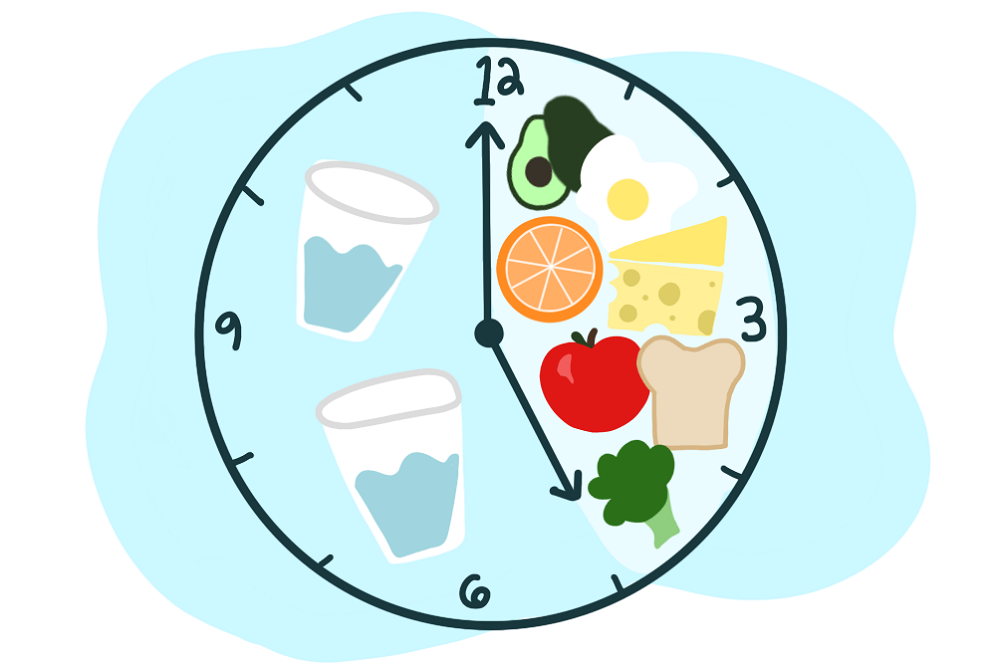
Calorie counting needs math. You must know food labels or use an app. That need can feel like work. Some people like the routine of logging food. Others find it hard. This plan sets a time to eat. This plan asks you to eat within set hours. This plan can be easy for people who skip breakfast or have fixed schedules. This plan is hard for people who have family meals or shift work. The best plan is the one you will follow many months and years.
Hunger, energy, and mood
Both plans can cause hunger at first. After a few weeks, hunger may drop for some people. This plan lowers hunger for those who do well with set eating windows. Calorie counting helps people learn what foods fill them up for fewer calories. Both methods work better when food choices focus on whole foods. Protein and fiber help you feel full and protect muscle.
Muscle and exercise
Muscle matters for long term loss. If you lose muscle, your body burns fewer calories at rest. Both plans can protect muscle if you do strength training and eat enough protein. Do not try to lose too fast. Aim for slow loss each week. Most experts suggest a small calorie gap so the body can keep muscle while losing fat.
Health beyond weight
Both methods can bring health gains. Weight loss can lower blood pressure, blood sugar, and some heart risk factors. This method changes body signals like insulin and inflammation. But calorie control with good food choices can do the same. Long term health gains depend more on steady habits than on any single trick.
Who might choose fasting
People who want an easy rule may pick fasting. They do not need to log each snack. Some find fasting helps stop late night eating. People who like to eat larger meals in a shorter time may enjoy fasting. But people who take medicine with food or who have medical issues should talk with a doctor first. Teenagers, pregnant people, and people with a history of eating problems should not try fasting without medical advice.
Who might choose calorie control
People who need close control or who enjoy tracking may pick calorie counting. This method can help spot hidden calories in drinks and sauces. It can also help tune portion sizes for steady loss. People who need to plan food for family meals or sports may find this method fits their life.
Which one lasts longer
Long term success comes from habits you can keep. If you can keep fasting for years, it can work long term. If you can count calories for years, it can work long term. Many people switch or mix both. For example, some people use a time window for daily meals and also watch portion size. That mix can help keep a steady plan.
Common mistakes to avoid
Do not cut calories too fast. Fast loss can cause muscle loss and strong hunger. Do not skip strength work if you want to keep muscle. Watch drinks and snacks because they can add many calories without filling you up. Do not swap plans every week. Stick with one plan for a few months so you can see results.
Final thought
No one rule wins for all people. Both fasting and calorie control can lead to long term loss when a person keeps the method and eats good food. The key is to pick a plan that fits life, to keep muscle with strength work, and to make slow steady change. Use the plan you can follow day after day and year after year.