




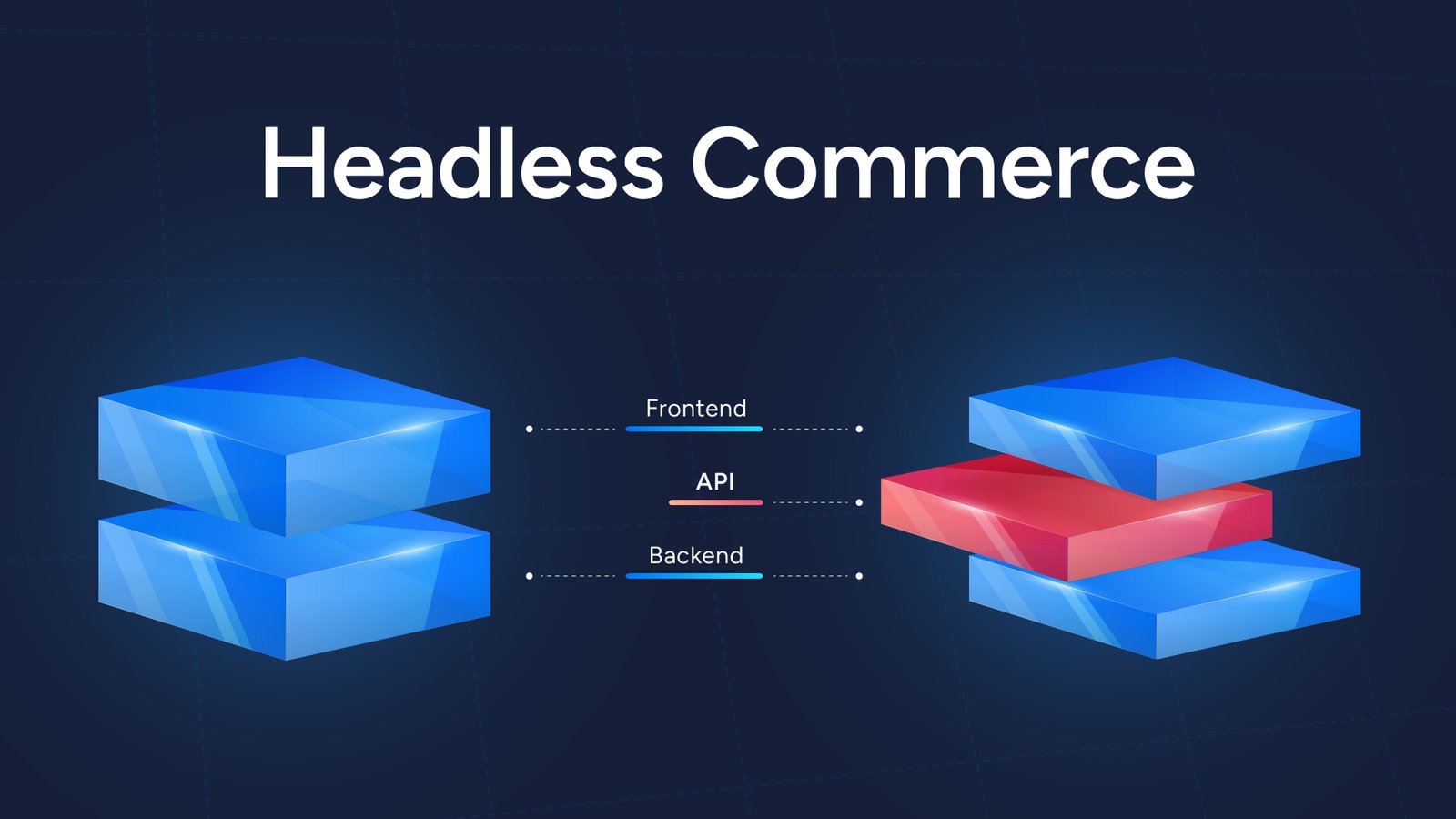
Headless commerce is now a buzzword amongst online merchants, particularly, the mid-sized stores that are attempting to expand rapidly without the loss of brand control. The concept is that of decoupling the front-end of a store (what customers look at) and the back-end (where the products, orders, and data are handled). Such a structure provides companies with increased choices to create, test and grow online stores. but there comes with that freedom rewards as well as risks that require real thinking.
The Rewards of Headless Commerce
1. More Freedom for Design and User Experience
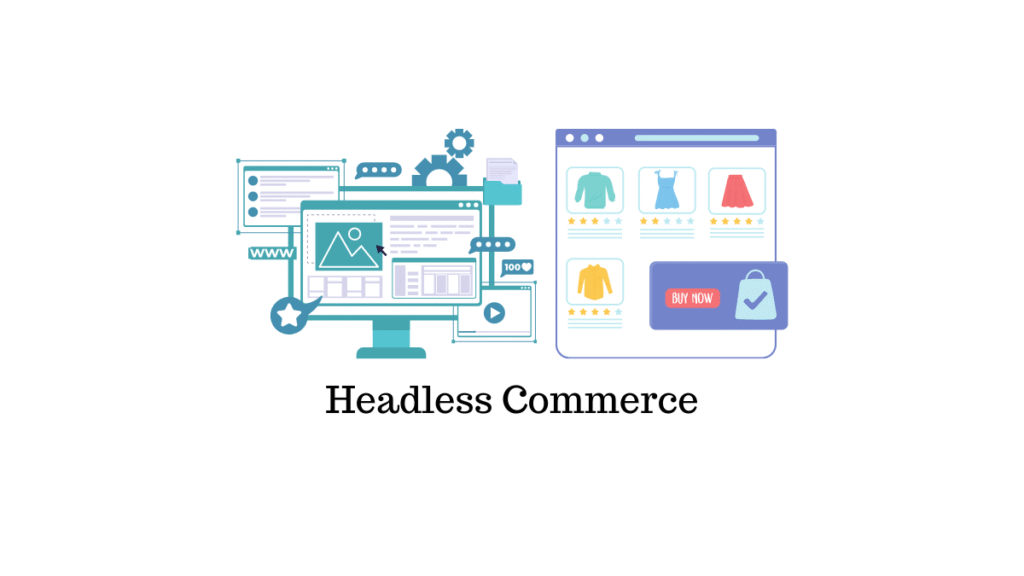
With a headless system, the front-end is not connected to the back-end system. This implies that a shop can develop any layout, any design tool or experiment with any new shopping feature without manipulating the key database. As an example, a clothing shop can develop the platform with React or Vue and leave Shopify or Big Commerce in the background.
This creative freedom is important since 88 percent of users indicate that they will not resume visiting a site once they have had a bad experience. When stores are able to alter and experiment quickly, they are able to continue enhancing that experience.
2. Faster Website Performance
Sales can be won or lost on the speed of the page. According to Google, any one-second delay can reduce conversions by 20 percent. Headless commerce allows the developers to optimize every aspect of the site to increase its speed because it is not based on heavy front-end templates.
When the mid-sized shop goes to a headless model, they typically find loading times reduced and get easier access to the phones and tablets. Particularly, it can be helpful because mobile shopping currently constitutes almost 60 percent of e-commerce purchases.
3. Easier Omnichannel Selling
A headless system allows a brand to operate on the same back end to drive a large front end such as a website, app, in-store kiosk or even a smartwatch display. Therefore, when a middle-sized brand is interested in selling on Instagram, a site, and a mobile application, they can accomplish it without 3 different systems.
Statistics at Shopify indicate that companies that have over three sales channels increase revenue 190 times compared to those with single or two channels. That is a massive boost to stores that are willing to go beyond one platform.
The Risks of Headless Commerce
1. Higher Setup and Maintenance Costs
While headless commerce sounds exciting, it is not always cheap. Building a custom front-end and connecting it with APIs takes skilled developers. Mid-sized businesses often spend more upfront compared to regular e-commerce setups.
Also, each new channel or feature might require separate updates. A survey by Digital Commerce 360 in 2025 found that 43% of retailers said ongoing maintenance costs were their top concern after switching to headless systems.
2. More Technical Complexity
Traditional e-commerce platforms handle most of the setup behind the scenes. But in headless commerce, teams must manage many moving parts APIs, front-end frameworks, and integration tools. For a mid-sized company without an in-house tech team, that can mean hiring new staff or depending on agencies.
Final Thoughts
Headless commerce gives mid-sized shops a real chance to grow fast, design freely, and reach buyers across many channels. But it also brings cost, complexity, and security challenges. The best way forward is to start small build one headless front-end first, measure results, and expand step by step. When managed wisely, the rewards can outweigh the risks.
FAQs
1. What does “headless commerce” mean?
It means separating how a website looks from how it runs behind the scenes. The design and data systems work on their own but stay connected through APIs.
2. Is headless commerce good for small or mid-sized shops?
It can be good if the business plans to grow fast or sell on many platforms. But it also costs more and needs more tech skills.
3. Does headless commerce make sites faster?
Yes, it usually does. Because the design and data parts work separately, developers can make the site lighter and quicker to load.
4. What are the biggest risks of going headless?
The main risks are higher setup costs, complex maintenance, and security issues with APIs if not managed well.
5. How can a mid-sized shop start with headless commerce?
Start small. Test one headless front-end connected to your main system. Watch how it performs before expanding to more channels.