




The fast change of online shopping has taken place in the last few years. Individuals no longer visit websites, window shop, and place items on their carts. They now can view a product on Instagram or Tik Tok, and in just a few seconds press a button and purchase it. This transition has been termed as social commerce and it is rapidly transforming the online way of selling business. However, is it actually surrogate of the old ecommerce funnel?
What is Social Commerce
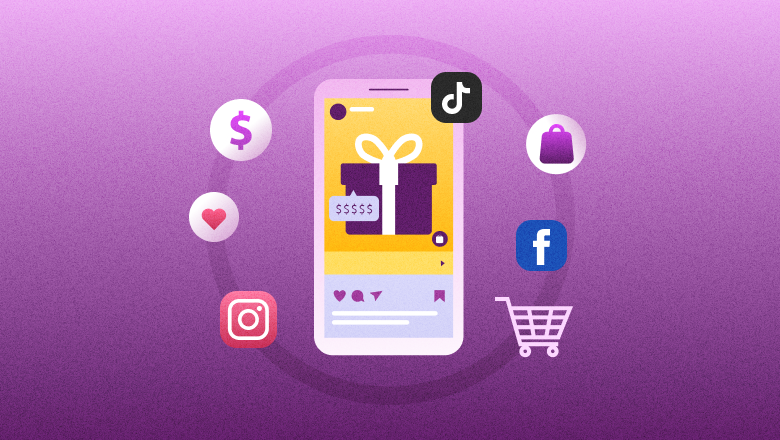
Social commerce implies making purchases and sales in the social network, specifically in Instagram, Tik Tok, Facebook, or Pinterest. Individuals do not need to exit the application to make a purchase. As an illustration, a brand is able to post a video, label products, and allows users to make a purchase with a single click.
Statista indicates that the sales in the global social commerce reached a value of 728 billion in 2025, with the forecast that it will grow to 1.2 trillion in 2028. That is its rate of growth.
How Traditional Ecommerce Funnels Worked

Previously, ecommerce was conducted in phases, which were called a sales funnel. It began with awareness (ads, emails, or search), continued with consideration (product research) and the purchase (checkout). This process was slow and it took years. Individuals did not necessarily stay on the site and make a purchase.
Olde fashioned ecommerce relied on web sites and lengthy checkout processes. Numerous customers lost way along the way. Actually, 70 percent of online consumers according to Baymard Institute do not make a purchase after they leave their carts behind.
Why Social Commerce is Winning Attention
Its primary factor is increasing social commerce is the convenience and speed. Individuals are already spending hours on social media. They are able to purchase what they like immediately.
The products also become more real through the social media. People do not see well-polished ads but creators using them in their daily routine. This type of evidence generates trust. In a 2023 survey of HubSpot, it is revealed that consumers are associated with a higher likelihood of purchasing a product upon learning about it through the recommendation of the person or organization they follow, 71 percent.
The other cause is personalization. Social platforms have powerful algorithms that present likes to people. It implies that users frequently are exposed to products that align with their interests. Comparatively, ecommerce websites depend on search or advertisements that are not necessarily correct.
Are Brands Abandoning Traditional Funnels?
Not fully. Many brands now blend both systems. They use social media for discovery and engagement, then guide serious buyers to their website for more options or bigger purchases.
For example, a fashion store might sell small accessories directly on Instagram but move customers to its main site for full outfits. This mixed approach gives customers choice and keeps sales steady.
However, the growing comfort of in-app checkout is making brands depend less on their websites. Insider Intelligence predicts that social commerce will make up nearly 17% of all online sales by 2025. That means the gap between social and traditional ecommerce is getting smaller.
FAQs
1. What makes social commerce different from ecommerce?
Social commerce happens directly on social media apps, while ecommerce happens on independent websites or online stores.
2. Which social platforms are leading in social commerce?
Instagram, TikTok, and Facebook are leading platforms because they have built-in shopping tools. Pinterest and YouTube are also growing fast in this area.
3. Can small businesses benefit from social commerce?
Yes, small businesses can reach more people without needing a full website. They can sell directly through social media posts or live streams.
4. Is social commerce safe for buyers?
Most platforms now have verified sellers, secure payments, and refund policies, making it safer than before.
5. Will traditional ecommerce disappear?
No, it will not disappear. Traditional ecommerce still matters for large or detailed purchases. But social commerce will keep taking a bigger share of online sales.
Final Words
Social commerce is not replacing traditional ecommerce yet, but it is changing how people shop. As long as users keep spending time on social apps, the future of online selling will stay closely linked to social media.