






In the last few years, many online and retail stores added buy-now-pay-later (BNPL) payment options to make shopping easier. Customers could take products home and pay for them in smaller parts over time. It sounded fair for both sides buyers could manage their spending better, and sellers could increase sales. But now, the question many business owners ask is if BNPL is still worth offering in 2025.
What BNPL Really Means Today
BNPL services such as Afterpay, Klarna, and Affirm became popular during the pandemic. People wanted flexible payments when money was tight. In 2024, more than 60% of online shoppers in the US used BNPL at least once, according to a report from Statista. But that same report also showed that about 25% of those users struggled to keep up with their payments.
This shift has made both businesses and banks more cautious. Some countries have even started adding new rules to control how BNPL firms work. So while the system still helps sales, it also carries risks that businesses must watch closely.
Why Many Stores Still Offer BNPL
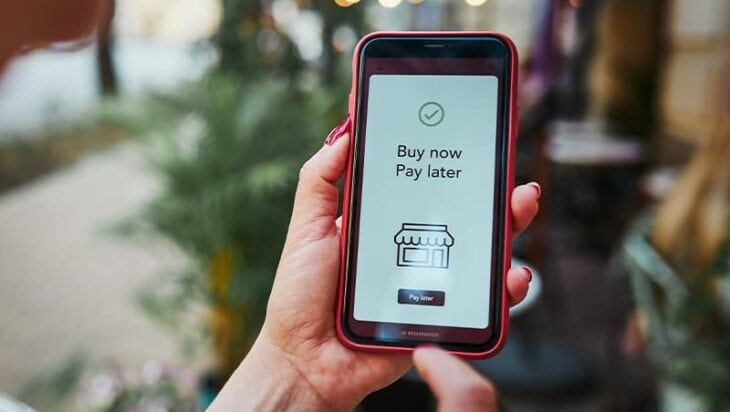
There’s no question that BNPL can help increase sales. Studies show that stores offering BNPL see about 20–30% higher conversion rates compared to those that don’t. Customers often buy more items when they can pay later. For small businesses, it can be a way to compete with larger stores without lowering prices.
BNPL also helps reach young customers. According to a 2024 CNBC report, over 45% of Gen Z and millennial shoppers prefer BNPL over credit cards. They like it because it feels easier than applying for a card or paying interest on a full balance. So if your business sells products aimed at young adults, keeping BNPL can still be smart.
The Growing Concerns for Sellers
While BNPL looks like an easy win, it’s not without trouble. Late payments are one of the biggest issues. A report by LendingTree in 2024 found that about 42% of BNPL users missed at least one payment. This creates a risk for both the customer and the business.
Also, most BNPL providers charge merchants a fee often between 3% and 6% per transaction. That’s higher than regular credit card fees. For stores that already have small profit margins, this extra cost can be painful.
Another growing concern is regulation. In the UK, the Financial Conduct Authority (FCA) is planning stronger rules on BNPL advertising and customer checks. If similar rules spread worldwide, smaller merchants might find it harder to keep up.
Is BNPL Still Worth It in 2025?
It depends on your business type and audience. For online stores selling low- or mid-priced items, BNPL can still be useful. It can help attract younger customers and push quick buying decisions. But for luxury or high-ticket items, it might create more trouble than profit.
A smart middle ground is to offer BNPL only on certain products or with limits. You can also work with providers that allow better control over late payments or fees. Some new BNPL systems now include instant credit checks, reducing the risk of bad debt.
Final Thoughts
BNPL started as a fresh way to help customers buy what they want without feeling stressed about payments. It worked well when spending was high and interest rates were low. But as debt levels rise, both customers and sellers are thinking twice. For some stores, it’s still a helpful tool. For others, it’s becoming more of a cost than a gain. The key is to know your audience, check your numbers, and choose wisely.
FAQs
1. What is BNPL, and how does it work?
BNPL lets customers buy items and pay for them in smaller parts over a set time. Payments are usually made weekly or monthly with no added interest if paid on time.
2. Do businesses pay fees to offer BNPL?
Yes. Most BNPL providers charge merchants between 3% and 6% of each sale, which can affect profit margins.
3. Is BNPL safe for small businesses?
It can be, but only if the provider handles payments well and protects the store from customer defaults. Small businesses should read the terms carefully before signing up.
4. Are customers still using BNPL as much as before?
Usage has slowed slightly in 2024–2025, but it remains high among younger buyers. About 45% of Gen Z shoppers still prefer BNPL over credit cards.
5. Should every online store offer BNPL?
Not always. It suits stores with affordable items and younger audiences best. Businesses selling expensive goods should weigh the fees and risks before deciding.