






Athletics no longer remain intuitive and experience-driven. Data analytics has transformed team mind, planning and decision making. Since scouting new players, convincing injuries not to take place, numbers are no longer silent about it. All the field moves can be measured and traced to enhance performance. Coaches and scouts are being educated that statistics can reveal trends that the eye may fail to recognize.
Smarter Scouting with Real-Time Data
The game based more on opinion and watching games to scout. It is now relying on the accuracy of reports that are created based on real-time data. The sensors, cameras and software are used by teams to gather information on the movement, running and reaction of players under pressure. As an example, in football and basketball, the tracking technology can capture 25 frames in a second, this will enable scouts to analyze each footwork and sprint.
The company Stats Perform also states that more than 80 percent of the leading clubs in the European football industry currently rely on the data of tracked players to judge newly acquired ones. In this information, there are accuracy in passing, speed of sprint, stamina and even the time needed to recover between plays. Scouts are now able to use hard facts to make better predictions about the performance of a player instead of merely making assumptions as to whether the player will fit the teams style.
Predicting Injuries Before They Happen
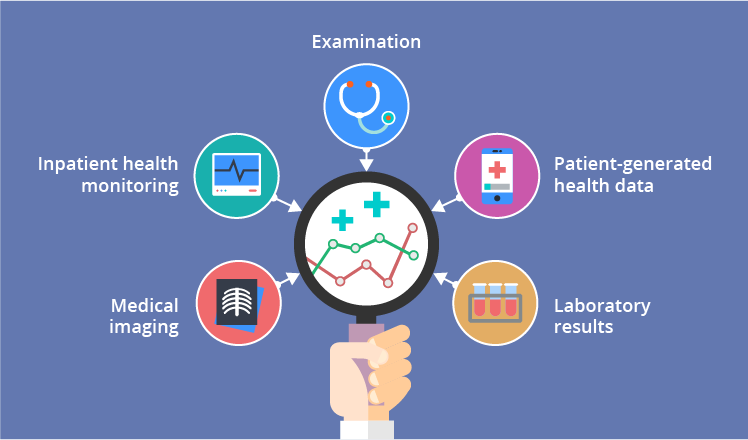
Another sector that data analytics has transformed taking into consideration that the firm has been able to thwart injury is injury prevention. With this, coaches are now able to monitor the workload, stress levels, and recovery cycles of a player to minimize the risk of injury. On the example, in professional football, the Catapult Sports data provided that soft tissue injury has been cut by approximately 25% when teams wear sports tracking gadgets.
These are the equipment that detects a heart rate, acceleration and strain of body during the training. Coaches can modify the training plan to ensure that an injury does not occur when the data demonstrate that the fatigue level of a specific player is increasing. This approach spares careers, finances and performance of the game.
In baseball, motion analysis is currently being employed by the players of Major League Baseball (MLB). The analysis of shoulder and elbow movement will help them identify the possible danger signs of overuse injury among pitchers. Given the statistics of MLB, the two seasons have revealed that pitching injuries have decreased by 18% in teams that utilized biomechanical analysis.
Using AI and Machine Learning for Better Insights
Artificial intelligence now plays a major role in analysing vast sports data. These systems process millions of data points to find links between performance and injury risk. For instance, if a footballer’s sprint recovery slows down over several matches, AI can flag it as a sign of muscle fatigue.
A report by Deloitte showed that sports teams using AI for data analysis improved player availability by 30% per season. This means fewer missed games and stronger team performance overall. AI also helps scouts match players to specific roles by comparing them to thousands of profiles worldwide.
Shifting from Guesswork to Evidence
The biggest change that data analytics brings is trust in evidence. Teams now base choices on facts rather than feelings. Scouts have detailed dashboards showing everything from player efficiency to stress recovery. Medical staff can see early warnings about possible injuries. Coaches can tailor training schedules to balance performance and safety.
Fans also feel this change. Sports broadcasts now include player heat maps, running distances, and speed metrics. This makes watching the game more engaging and helps supporters understand the effort behind every move.
The Future of Sports Analytics
The use of data in sports will only grow. As technology improves, more accurate sensors and faster software will provide deeper insights. Soon, data will not just measure what happened but predict what will happen next.
Injury prediction will become even more precise, scouting will become more global, and training will be customised for every player. But even with all this data, human judgment will still matter. Numbers can guide decisions, but people must interpret them wisely.
Final Thoughts
Data analytics has changed how teams scout players and prevent injuries. It has replaced guesswork with evidence, and experience with precision. With tools that track every movement and predict risks before they occur, sports are becoming smarter and safer.
The balance between data and human understanding will define the future of competition. And the teams that learn to combine both will stand ahead, not only winning matches but also protecting their players’ long-term health.