





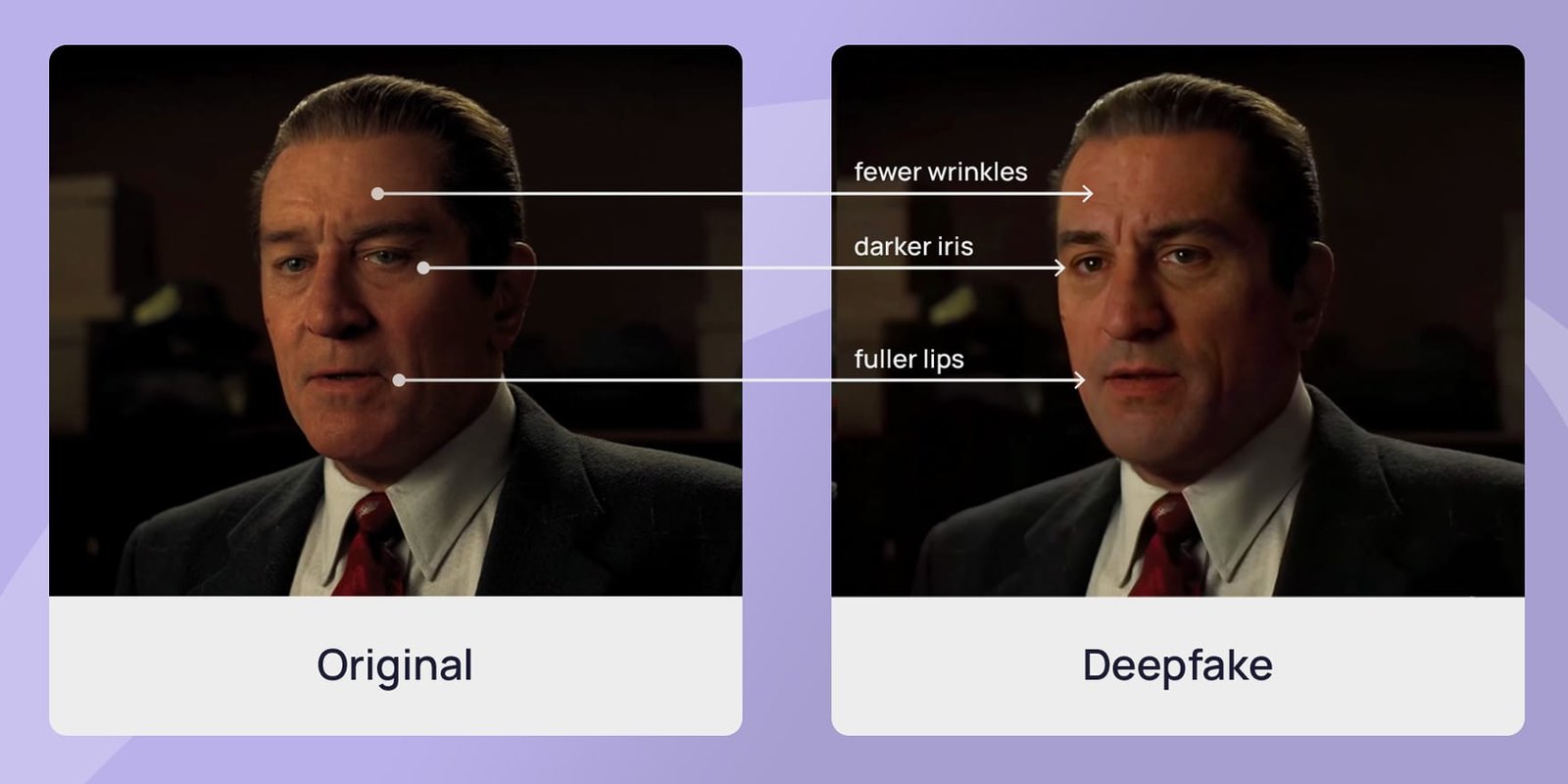
The Deepfakes has become one of the most alarming concerns raised by reporters and news companies. They consist of hypocritical videos, photographs or audios generated with the assistance of artificial intelligence and meant to sound or look like people are saying or doing things they have never been able to do.
These false images may go viral on the Internet and an average individual may not be aware of what is and what is not true. It is a developing issue and, accordingly, a report by Deeptrace Labs states that the number of deepfake videos on the internet has become two times greater every half year.
Why Deepfakes Are Dangerous for Journalism

As soon as a deceitful fake spreads through the Internet, it can disorient millions of people within a few minutes. People love to share that which is visible and even fail to check the source and it helps in the propagation of fake news. According to a study conducted by Pew Research Center, 63 percent of people have problems with recognizing fake videos or fake content. This is such a serious problem because people have very little confidence with media anyway.
Building Strong Verification Systems
More efficient means and wiser systems should be given to newsroom to fight deepfakes. Technology can also assist them to confirm the sources of pictures and videos before they are published. Truepic and Video Authenticator that is an app provided by Microsoft can identify whether a video has been deepfaked or not. These are used to scan lighting-patterns, pixel-patterns and facial-patterns to identify anything that reflects manipulations.
Training Journalists to Detect Fakes
This kind of training is becoming more of a necessity. According to a survey of more than 60,000 journalists, The Reuters Institute Digital News Report show that, when asked about the most difficult thing about their work, this was confirming material online (more than 70 percent of surveyed). Having more and more skills will enable the reporters to have a more concrete ability to respond to misinformation more efficiently and prevent the introduction of misinformation into the stories by individuals.
Transparency Builds Audience Trust
Despite good tools and training, there can still occur mistakes. The most important thing is the manner in which the newsrooms address those moments. It is important to be candid with the audience. A newsroom is demonstrating that it values quality over speed when it has a clear explanation of its method of checking the facts.
Certain outlets have already started printing verification notes as well as sensitive stories. These are a few words given on how photographs or video were established as a true one. As an illustration, The New York Times frequently provides information on its visual checks in the accounts regarding war zones. This is a strategy that allows the readers to feel part of the process and knowledgeable, and builds trust in the long term.
Collaborating Against Deepfakes
There is no single newsroom that can combat deepfakes. Joint efforts by journalism, tech firms and fact verification organizations can establish greater defences. International programs such as the Content Authenticity Initiative (CAI), which was initiated by the Adobe and the New York Times, aim at attaching digital signatures to genuine media. This assists in tracking of the creation of a file.
With an increasing number of news organisations engaging in this kind of efforts, the general trust in the digital journalism increases. There can be sharing of confirmed databases, tools exchange, and training each other which can assist all media houses in overcoming fake news.
The Future of Trust in Journalism
Making deepfakes a thing of the past is not something that the fight should do, but it does not need to ruin the confidence of the people. Viewers appreciate sincerity as opposed to flawlessness. When the newsrooms demonstrate how they can prove the story, when they can own up to their errors and remain open and transparent, people will not lose faith in the real journalism.
Truth has to shine in the world of manipulated videos and computer voices. Newsrooms can safeguard facts as well as the credibility that the reader will have in them with the proper combination of technology, human expertise, and openness.