





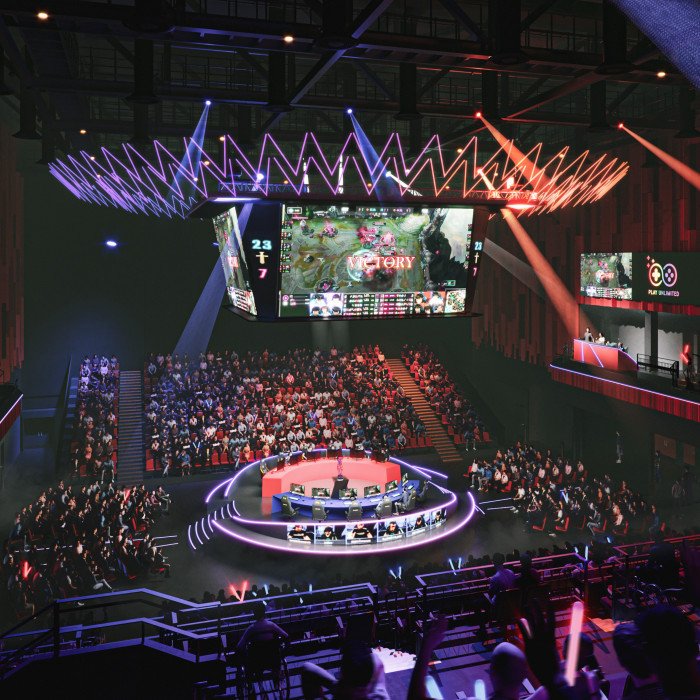
Sports have always been a shared experience. People gather in stadiums, living rooms, and bars to cheer for their favourite teams. But now, something different is happening. Millions of people are tuning in to watch others play video games, and this form of entertainment is growing faster than most expected. Esports is no longer a side hobby; it has become a global industry with a loyal audience that watches live tournaments online instead of traditional matches on television.
According to Statista, the global esports audience reached over 640 million viewers in 2025, and that number is still growing every year. This rise in viewership is starting to change how broadcasters think about sports coverage.
Why esports is drawing massive audiences

Esports attracts young viewers who prefer digital platforms over television. For example, Nielsen reports that around 70% of esports fans are under the age of 35, a group that is less likely to subscribe to cable TV. These fans watch live on YouTube, Twitch, or specialised esports channels that stream tournaments 24 hours a day.
Unlike traditional sports, esports events can be accessed from anywhere. People do not need to buy expensive tickets or travel to a stadium. They only need a screen and an internet connection. This easy access has helped esports reach corners of the world where traditional sports broadcasting is still limited.
How traditional broadcasters are reacting
Television networks are beginning to notice the change. Big names like ESPN and Sky Sports have already started airing esports tournaments. They see that digital-first viewers want something different faster coverage, more interaction, and deeper insight into the players’ skills.
Traditional sports broadcasters are now trying to adjust their approach. Instead of relying only on linear TV schedules, they are expanding to streaming platforms where esports already thrive. Some have also launched their own digital channels to stream matches live with chat features and instant replays. This mix of interactivity and easy access is helping traditional broadcasters stay relevant.
Advertising and revenue are shifting
Money is following the viewers. According to PwC, global esports revenues crossed $2 billion in 2024, most of it coming from sponsorships and digital ads. In contrast, traditional sports broadcasting has seen slower growth as younger audiences move away from cable.
Brands are noticing that esports gives them a chance to connect directly with fans who spend hours watching live streams and engaging with players. This is pushing advertisers to shift part of their budgets from television to online streaming platforms. If this trend continues, traditional broadcasters may have to rethink their ad models to compete with digital networks that offer real-time engagement.
What this means for the future of broadcasting
Traditional sports are not disappearing, but their place in media is changing. Broadcasters can no longer rely only on live television rights. Instead, they must find ways to merge traditional coverage with online experiences. Some are already adding social media streams, behind-the-scenes clips, and live chat options to attract younger fans who value interaction over passive viewing.
The rise of esports may also lead to new broadcast partnerships. For example, football clubs and basketball leagues are now creating their own esports teams to stay connected with younger audiences. This crossover helps sports networks keep both worlds linked and avoid losing relevance.
The balance between tradition and technology
Traditional sports have a long history, strong fan loyalty, and emotional value. Esports, however, brings speed, accessibility, and digital reach. The future of broadcasting will likely blend both. Broadcasters that can combine the excitement of live games with the interactive nature of esports will have a stronger hold on audiences.
A Newzoo report notes that the global esports market will exceed $3 billion by 2028, which means broadcasters that adapt early could gain a huge advantage. Those who ignore it might find themselves left behind in a fast-changing entertainment world.
Conclusion
The rise of esports is not a threat to traditional sports broadcasting—it is a sign that audiences want more choice and flexibility. People will still love football, cricket, and basketball, but they also want to watch professional gamers compete in real time. Broadcasters who listen to these preferences and adjust their strategies will continue to thrive.
In the end, it is not about old versus new. It is about how both forms of sport can share the same screen, giving fans the freedom to watch what they love, how they want, and where they want.

