






Over a long period of time, women sports were getting very little of the sponsorship income, and were regarded as having secondary status to men leagues. But things are changing fast. More audiences are watching, more companies are listening, and more female athletes are turning into household names. Not only is this consistent growth in popularity good to the sports business, it is changing the way advertising dollars are used by companies.
The forecast of the Sports Industry outlook released by Deloitte shows that the women elite sports revenue will rise to 1.3 billion worldwide by this year nearly twice. This has led to major broadcasters turning their interest to women sports and viewing them as a very effective way of reaching out to various people.
Growing Audiences, Growing Investments
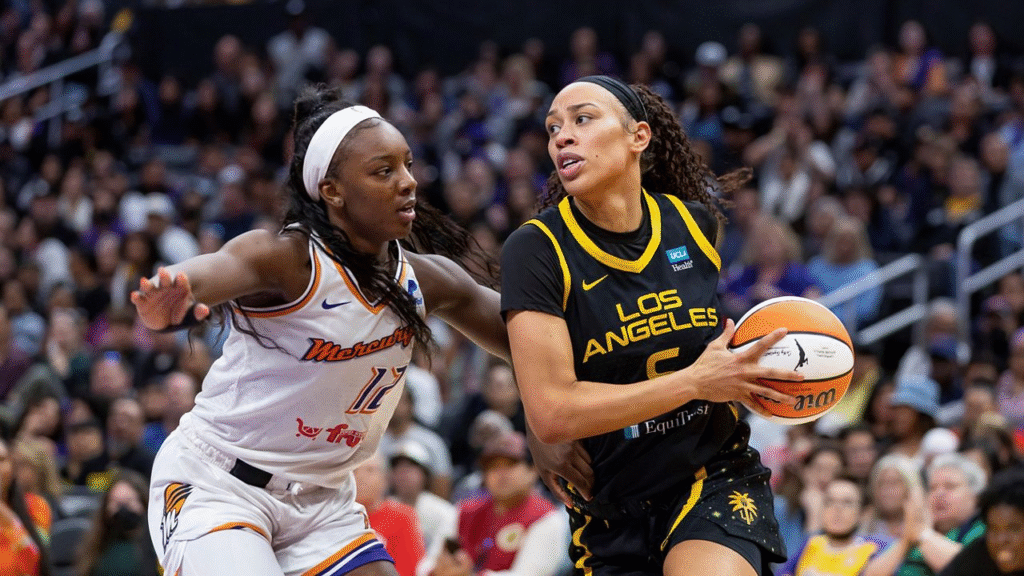
Explosive expansion of the audiences is one of the most significant causes of the sponsorship dollar outburst. Matches such as FIFA Women world cup registered 2 billion spectators all over the planet, which indicates that audience is keen on more women contests. Brands come along, once more people watch.
Firms that previously invested in the men league are now spreading their tentacle. To give an example, Visa, Barclays, and Nike have been raising their sponsorship entails to women teams and athletes. Visa even agreed to a long term contract with the UEFA Women Football making it the first brand to only sponsor the women division of football as opposed to sponsoring both the men and women division.
Such change indicates that the sports involving women no longer receive a casual approach by the brands. Rather, they are viewing it as a profitable business prospect with audience that is loyal and with increase.
Changing Brand Strategies
The issue of sponsorships in women sports does not just turn out to be exposures. They are also about values. A lot of companies would like to appear as the advocates of equality, fairness, and representation. Women athletes ought to be supported and this is part of those aims.
Indicatively, as an example, Adidas has created its Impossible is Nothing campaign to showcase women in sports and Coca-Cola has become more involved in women football and basketball. Such gestures are not limited to logos on jerseys, they are also all about narrative and attachment.
A study by Nielsen Sports found that 72% of sports fans believe brands should support women’s sports, and 85% say such sponsorships make them view those brands more positively. That kind of public sentiment is driving companies to rethink where their sponsorship dollars go.
Social Media and Athlete Influence
Social media has become a major tool in this transformation. Women athletes are building their own platforms, engaging directly with fans, and creating space for brand partnerships.
Take Alex Morgan, Naomi Osaka, or Emma Raducanu, each has millions of followers and strong personal brands that attract sponsors beyond their sport. In fact, a report from SportsPro Media showed that four of the top ten most marketable athletes in the world are women. That is a huge change from a decade ago.
Brands are noticing that women athletes often connect with fans in more authentic and relatable ways. Their influence online brings extra value to sponsorship deals, which now include social content, video campaigns, and community work.
Media Coverage Boosts Sponsorships
Another factor behind the rise is improved media coverage. For years, women’s games were rarely shown on television, limiting exposure for sponsors. But streaming platforms and social media have changed that.
Broadcasters like BBC, ESPN, and Sky Sports have started giving women’s sports more airtime. The Women’s Super League (WSL) in England signed a multi-year broadcast deal worth £75 million, showing that the market for women’s football is serious and growing.
More visibility means more return for sponsors, which makes investment more appealing. It also inspires young girls and athletes, creating a cycle of growth that benefits everyone.
The Road Ahead
While progress is clear, there is still a gap to close. The Women’s Sports Foundation reports that women’s sports receive only 15% of total sports sponsorship spending, even though their audience numbers continue to climb. Bridging that gap will take consistent support from both brands and broadcasters.
However, the momentum is strong. As more leagues form, more fans engage, and more stories are told, women’s sports are becoming a central part of global sports culture. Companies that invest early are likely to see long-term loyalty and meaningful brand connections.
Conclusion
The growth of women’s professional sports is reshaping how sponsorship money moves through the industry. With record-breaking audiences, stronger media presence, and powerful athlete influence, brands are now seeing what they once missed, a chance to connect with fans who value fairness, passion, and representation.