





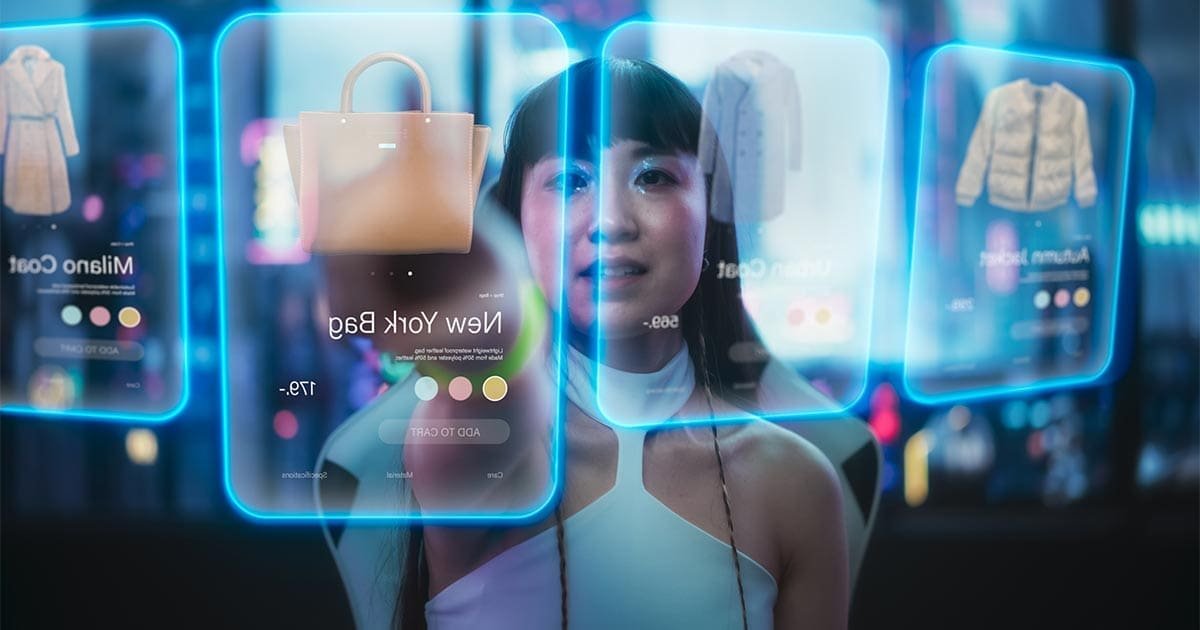
The ease, speed, and popularity of online shopping has created a single issue that is increasing returns of the product. The National Retail Federation estimates 16.5% of total online purchases in 2024 were returned, which is equivalent to more than 247 billion dollars in revenue. This figure increases even further when it comes to the holiday season, as people do a lot of shopping in a hurry, purchasing gifts to other people, and usually guessing the appropriate size, colour, or style. However, the introduction of the augmented reality (AR) shopping can possibly decrease those returns because it can make the process of online purchases more real and accurate.
What Is Augmented Reality Shopping?
Augmented reality shopping enables shoppers to be in a position to view how an item appears or fits to the real world before purchase. It takes place on your phone camera, or on your computer screen, to display the product in your own environment. As an illustration, the AR application of IKEA allows them to visualize what the furniture would look like in their living room and Sepora AR application allows users to try on makeup shades on their faces. This makes the buyers have more confidence in their choices, as they can try out before they buy even online.

AR also makes the shopping process more entertaining. Individuals are able to spin a shoe in three-dimension, examine how a pair of glasses appear on their face, or gauge whether a television set would fit on their wall. Such detail will give assurance to the buyer and assurance means less returns.
Why Returns Happen Most During the Holidays
There are usually fast decisions with holiday shopping. Citizens are on a race to get the deals and complete the gift lists until the sales are over. During this hurry they take guesses in the wrong size of shirt, in a color that does not fit on screen, or in a device that proves to be smaller than anticipated. Statista estimates 40 percent of returns on a holiday are due to sizing or fitting a product or service, and 22 percent are due to products not matching with what the buyer viewed online.
It is in this area that AR shopping may be of the most assistance. Customers will be less likely to make mistakes when the actual size, feel, and design are visible to them prior to their order.
How AR Can Reduce Returns
1. Better Product Visualization
With AR, shoppers can see every angle of an item. They can place a sofa in their living room using their phone and check how it fits with the rest of the decor. Snap’s AR technology showed that products viewed in AR had a 25% lower return rate because buyers knew exactly what they were getting.
2. Improved Size and Fit Accuracy
Fashion and footwear brands now use AR to show true sizing. Nike Fit, for example, scans the customer’s feet to recommend the right shoe size. This small step can prevent size-based returns, which make up nearly 60% of online fashion returns according to Shopify.
3. Increased Buyer Confidence
When people see how a product looks in their own space or on their body, they feel more confident about the purchase. AR reduces guesswork and increases satisfaction. Confident buyers rarely return items, saving both the customer and seller time and money.
Final Thoughts
Augmented reality shopping is not just a fun tool; it’s a practical way to make online shopping smarter and less wasteful. As more brands adopt it, shoppers will make better choices and send fewer items back. This holiday season might be the first where AR truly helps both sides customers who want satisfaction and sellers who want fewer returns.
FAQs
1. How does augmented reality reduce product returns?
It helps shoppers see products more accurately in real-life settings, which means they make better buying decisions and return fewer items.
2. Which brands are already using AR for shopping?
Big names like IKEA, Sephora, Nike, and Amazon use AR to show how items look and fit before purchase.
3. Is AR shopping only for phones?
Most AR tools work on phones, but many retailers are adding them to websites and even in-store screens.
4. Does using AR make online shopping more expensive?
No, most AR tools are free to use within a brand’s app or website. They are meant to help, not charge extra.
5. Can AR help gift buyers during holidays?
Yes, AR can help people see if an item will suit someone’s home or style before buying, reducing the chance of a wrong gift and return later.